NY AG's $5M Uphold Settlement: Crypto Promoters Are Now in the Crosshairs
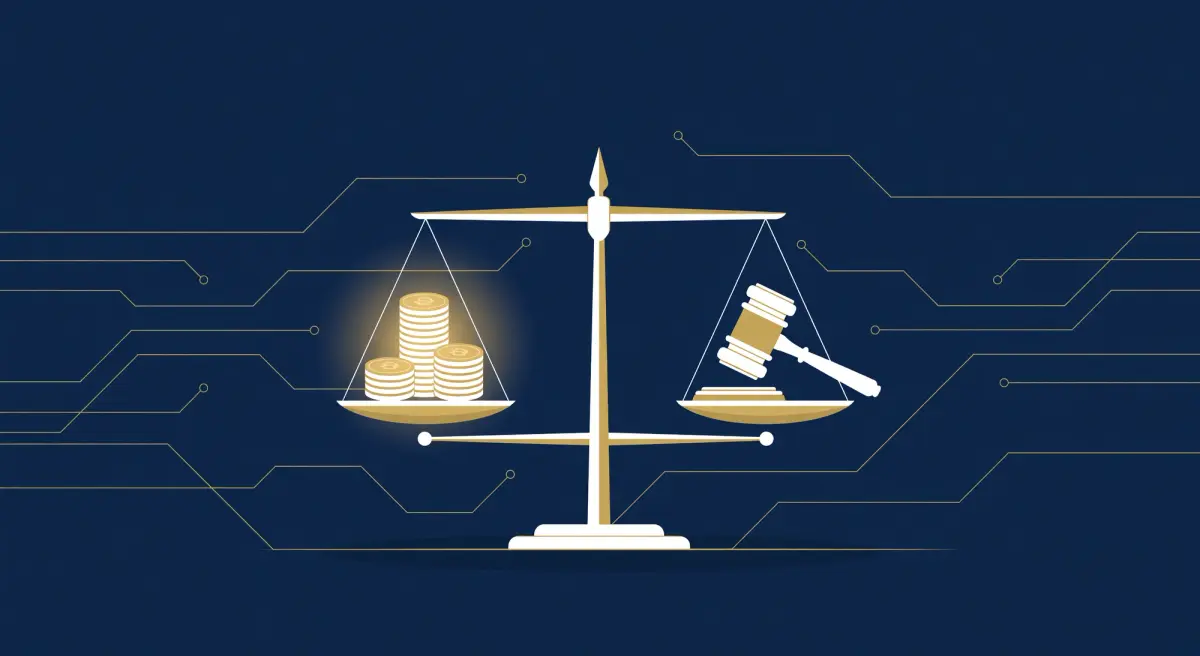
The $5 Million Settlement That Rewrites the Rules for Crypto Platforms
New York Attorney General Letitia James just sent a $5 million message to every cryptocurrency platform that promotes third-party yield products. In a landmark settlement announced in April, 29, 2026, the NYAG resolved an enforcement action against Uphold, a digital assets trading platform, for its role in marketing a crypto yield product issued by someone else. This was not a case of Uphold running its own lending program or issuing its own tokens. It was a case of a platform acting as a promoter — and getting held fully accountable for it.
But here is the part most coverage is missing. This is the first New York enforcement action to target a platform that promoted someone else's crypto yield product rather than its own. That distinction matters enormously for the fintech compliance posture of every exchange, wallet provider, and digital assets platform operating in New York — or serving New York residents.
Here is what happened, why it matters, and what your platform needs to do about it.
What Uphold Did — and Why the NYAG Treated It as a Securities Violation
Uphold offered its users access to a crypto yield product — a product that promised returns on deposited digital assets. The critical fact is that Uphold did not create or issue that product. It promoted it. It integrated it into its platform. It put it in front of its user base. And under New York's Martin Act, that was enough.
The Martin Act is one of the broadest securities fraud statutes in the United States. It does not require proof of intent to defraud. It does not require that investors actually lost money. It requires only that a person or entity engaged in fraudulent or misleading practices in connection with the sale or promotion of securities or commodities. Crypto yield products — instruments that promise a return on deposited assets — fit squarely within the NYAG's view of covered instruments.
The NYAG's theory here is straightforward: if you put a yield product in front of your users, you are a promoter. If that product was not properly disclosed, registered, or structured to protect investors, you share responsibility for the harm — regardless of whether you wrote the terms of service for the underlying product or issued the tokens yourself.
The Promoter Liability Theory Is New. The Exposure Is Not.
Platforms have long assumed that distributing or featuring a third-party product insulates them from primary liability. That assumption is now demonstrably wrong in New York. The Uphold settlement establishes that the act of promotion — marketing, integrating, and presenting a yield product to users — is itself a regulated activity under New York law.
The Distinction Every Crypto Platform Is Missing Right Now
There is a critical line that cryptocurrency regulation enforcement is now drawing, and most fintech startup legal teams have not caught up to it.
Issuer liability is the framework most platforms understand. If you create a token, run a lending program, or issue a yield-bearing instrument, you are the issuer. You bear primary responsibility for registration, disclosure, and investor protection.
Promoter liability is the framework the NYAG just activated. If you feature, market, or integrate someone else's yield product into your platform — even if your terms of service disclaim responsibility for third-party products — you may be treated as a promoter under state securities law. And promoters carry real consequences.
This distinction matters for a specific category of platforms:
- Crypto exchanges that list yield-bearing tokens or staking products from third-party protocols
- Wallet providers that surface DeFi yield opportunities to users
- Fintech apps that aggregate crypto savings or rewards products from external issuers
- Neobanks and payment platforms that partner with crypto yield providers to offer returns on user balances
If your platform does any of the above and you are serving New York residents, the Uphold settlement is a direct signal that your current compliance framework may be insufficient. The money transmitter license your platform holds does not resolve the securities promotion question. These are separate regulatory lanes, and the NYAG just demonstrated it will police both.
What Your Platform Must Do Before the Next Enforcement Action
The Uphold settlement is not an isolated event. New York has a documented history of using the Martin Act aggressively in digital assets enforcement, and the NYAG's office has signaled continued focus on cryptocurrency regulation and investor protection. The question is not whether the next action will come. It is whether your platform will be ready.
Audit Every Third-Party Product Integration
First, map every yield-bearing product your platform surfaces to users. This includes staking rewards, lending products, savings accounts denominated in digital assets, and any instrument that promises a return. For each one, document the issuer, the disclosure materials provided to users, and the legal basis for your platform's role in the distribution chain.
Second, review your terms of service and privacy policy for adequacy. A disclaimer stating that your platform does not endorse third-party products is not a legal shield under the Martin Act. The NYAG's promoter liability theory looks at conduct — what your platform actually does — not what your terms of service say about it.
Third, assess your New York nexus. If your platform has users in New York, you are subject to New York law regardless of where your company is incorporated or headquartered. Fintech startup founders frequently underestimate this exposure.
Fourth, engage securities counsel before your next product launch. The time to analyze whether a new yield product integration triggers promoter liability is before you ship the feature — not after the NYAG sends a subpoena.
Consider Proactive Disclosure Enhancements
The Uphold settlement strongly suggests that robust, specific disclosure about the nature of third-party yield products — including the risks, the issuer's identity, and the absence of FDIC or SIPC protection — would have been material to the NYAG's analysis. Platforms that get ahead of this with clear, prominent disclosure are in a materially better position than those relying on buried fine print.
Key Takeaways
- Promoter liability is now an established enforcement theory in New York. The Uphold settlement is the first NYAG action targeting a crypto yield product promoter rather than an issuer — and it will not be the last.
- A $5 million penalty for promotion, not issuance, resets the risk calculus. Platforms that assumed distribution of third-party products carried minimal regulatory exposure must revise that assumption immediately.
- The Martin Act does not require intent or investor losses. New York's securities fraud statute is a strict-liability framework in practice, which means the NYAG does not need to prove your platform meant to harm users — only that the promotion was misleading or inadequate.
- Terms of service disclaimers do not resolve promoter liability. Conduct governs, not contract language. If your platform markets a yield product to users, you are a promoter under the NYAG's theory regardless of what your terms of service say.
- Fintech compliance programs must now include third-party product diligence. Every digital assets platform serving New York residents should have a documented process for evaluating the regulatory status of any yield product it surfaces — before integration, not after.
- This enforcement pattern is consistent with broader cryptocurrency regulation trends. The SEC, CFTC, and state regulators are all moving toward holding distribution platforms accountable alongside issuers. New York just moved first at the state level.
The Real Question Is Not Whether Regulators Are Watching. It Is Whether You Are Ready.
The Uphold settlement is a clear signal that the era of consequence-free crypto product promotion is over in New York. The NYAG has now established that featuring someone else's yield product on your platform is a regulated act — one that carries a $5 million price tag when done without adequate disclosure and investor protection.
For every digital assets platform, fintech startup, and crypto exchange serving New York users, the compliance question is no longer theoretical. It is operational. The platforms that treat this as a wake-up call and conduct proactive audits of their third-party product integrations will be in a fundamentally different position than those that wait for a subpoena to prompt the review.
FinTech Law helps digital assets platforms, fintech startups, and crypto exchanges build compliance frameworks that address exactly this kind of emerging regulatory exposure — before it becomes an enforcement action. If your platform promotes or integrates third-party yield products and you want to assess your current exposure under New York law, contact us to schedule a consultation.
---
*This blog post is for informational purposes only and does not constitute legal advice. No attorney-client relationship is formed by reading this content. If you need legal advice, please contact a qualified attorney.*
Verified Sources
Verified citations
- Primary source: Original report
- Secondary source: Independent verification